

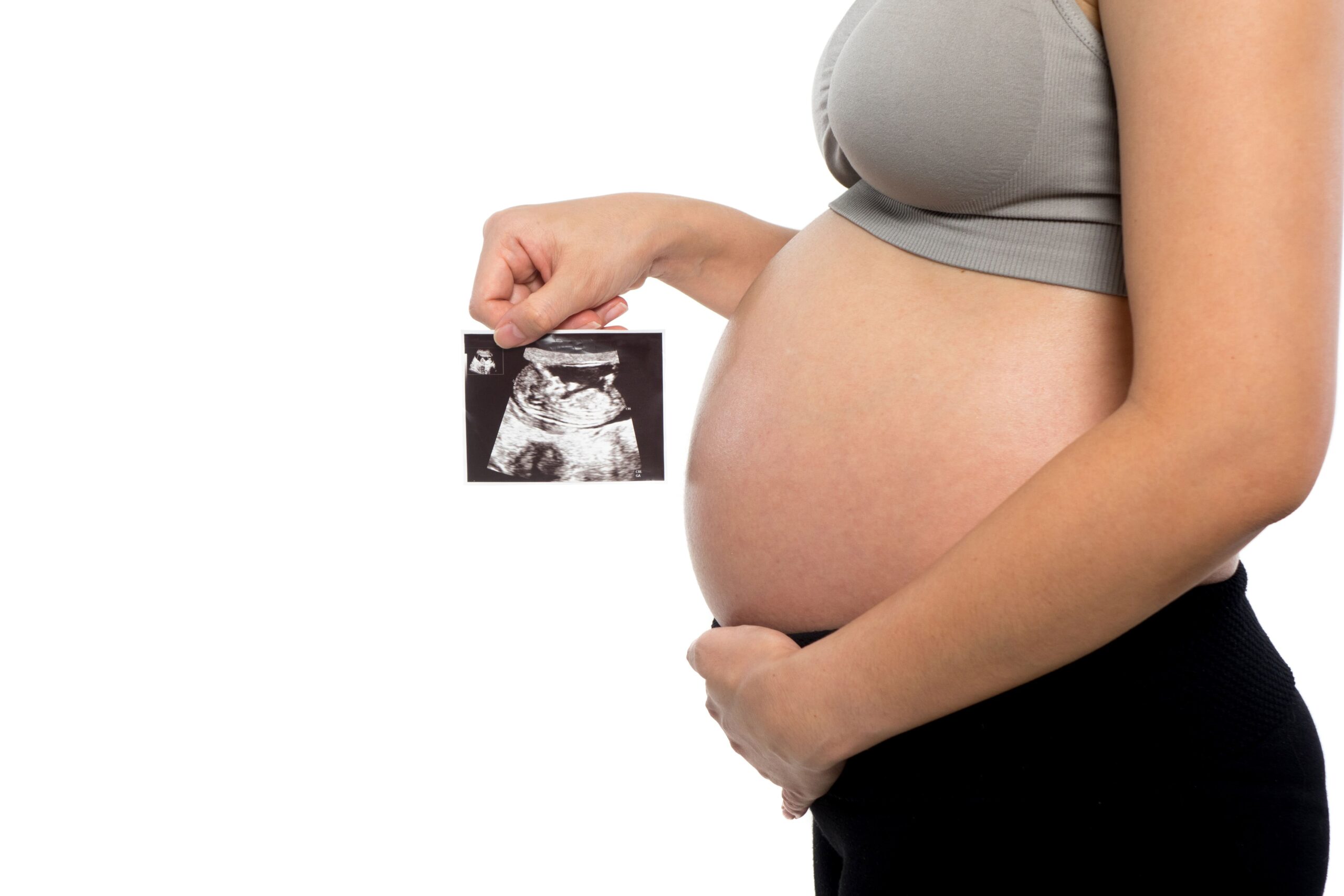
Pregnancy during the first weeks can be very confusing especially when you’re still new to the experience. Not all women can even tell when they are pregnant until the first month. That is the reason why it is important to learn about the symptoms in the first month of pregnancy.
In this guide, we are going to dive into everything that you will be expecting when you are in the first month. We will discuss when these symptoms are perfectly normal, when it may be necessary to concern ourselves, and how to be able to listen to your body.
This article is not meant to scare you. It is rather to fully equip you in the journey ahead. We will reveal everything early symptoms that are normal and the ones that you should be worried about
Common First Month Of Pregnancy Symptoms
Let’s start with what’s normal. These form the greatest first-month pregnancy symptoms that most women experience. In case you possess any of them, you are not alone.
1. Missed Period
This is often the first sign. In case your period is normal and it fails to come like normal, do a pregnancy test. Light spotting can still occur in some women, and this can be confusing.
2. Fatigue
Early pregnancy is characterized by sudden exhaustion. Your body is overworking to help create a new life. Your body starts developing hormones generally known as progesterone. These hormones cause sleep all the time.
3. Nausea (not necessarily with vomiting)
Nausea could occur anytime, especially in the morning because it is often referred to as morning sickness. It begins approximately in week 4 or 5 but can manifest itself sooner. Some feel good in the morning and sick at night or the other way round.
4. Breast Tenderness
At this stage, the tissues around your breast start to swell and become extra sensitive. This is also the part where your bra starts to get tighter and painful too.
5. Frequent Urination
Most of the time, you find yourself constantly needing to visit the rest room to ease yourself. This is because of heavy blood circulation in the kidneys and the increased level of hormones.
6. Mood Swings
One moment, you laugh; the next moment, you cry about an advert. These are normal emotional roller coasters that are associated with hormonal changes.
7. Light Spotting (Implantation Bleeding)
This may occur when the fertilized egg is implanted on the uterine wall. It typically is not heavier than a period, is pink or brown colored, and lasts a day or two.
See Also | Workout For Women Who Want To Balance Career And Fitness
Less Common But Still Normal Pregnancy Symptoms In Your First Month
All women do not have textbook experiences. There might be some uncommon symptoms that you might find to be normal.
1. Metallic Taste in Mouth
Most pregnant women report having some sort of metallic sensations in their mouths
It is brought about by hormonal changes and normally disappears during the second trimester.
2. Food Aversions or Cravings
This is the time you start to detest the smell of coffee especially in the middle of the night. You are likely to experience changes in taste and smell in the first month.
3. Mild Cramping
Cramps may occur mildly and period-like as the uterus starts to swell. Provided that cramping is not intense and is not accompanied by bleeding, it generally does not need concern.
What’s Not Normal: When Pregnancy Symptoms May Signal a Problem
There are symptoms that one cannot overlook. Mostly, pregnancy is associated with discomfort but there are those that may be a sign of something more serious such as an infection.
1. Severe Abdominal Pain
Cramps are a normal experience of pregnancy. However, when it becomes acute, it can be a sign that you are having an ectopic pregnancy. This normally occurs when an embryo is implanted out of the womb. Once this occurs, then you require urgent treatment.
2. Heavy Bleeding
Staining is expected, but excessive bleeding (absorbing a pad in an hour) is not. Contact your physician in case of this occurrence.
3. Fainting or Dizziness
A light feeling of weakness can occur as a result of low blood sugar or hormonal imbalances. But when you start feeling like passing out, you need to carry on some medical check up.
4. Fever over 100.4°F (38°C)
Having an infection during pregnancy can cause fever. I recommend you seek medical attention whenever you’re experiencing an abnormal temperature.
Real Stories/Case Studies: Women Share Pregnancy Symptoms In Their First Month
Case Study 1: Sarah, 29
“I never imagined I was pregnant all along. During my first trimester, I was experiencing constant tiredness and pain in my breasts”
Case Study 2: Lila, 35
“I experienced little red spots in my pads. At first, I assumed my period was about to start. But it never came. My sense of smell became super strong as well. My sense of smell grew very strong”
Case Study 3: Emily, 22
I continued to experience dizziness and experienced a lot of cramping. When I consulted my doctor, he told me it’s normal.
Read Also | How to Lose Baby Weight Naturally in 6 Easy Steps
Tips for Managing Pregnancy Symptoms In Your First Month
1. Rest When You Can
There is fatigue during early pregnancy. Attempt to sleep earlier or take naps when you can.
2. Eat Small, Frequent Meals
This will help in nausea and get your blood sugar on the track. Bring with you something that is easy to eat; crackers or almonds.
3. Stay Hydrated
Dehydration can worsen the symptoms. Aim for 8‑10 glasses of water a day.
4. Avoid Triggers
When smells cause nausea, open up the window or find unscented products.
5. Don’t Skip Prenatal Vitamins
They improve the early development of the baby and prevent neural tube defects.
Frequently Asked Questions
1. Do symptoms of the first month of pregnancy differ with twins?
They can be more intense. Carrying more than one can increase nausea, fatigue, and breast changes in the early stages.
2. Can stress affect the early symptoms of pregnancy?
Yes they can. Stress normally increases the fatigue you may experience in the first trimester. That is why it is advisable to rest when you can.
3. Can I work out during the first month of my pregnancy?
Yes but make sure you perform light exercises. You can perform prenatal yoga or any other harmless workouts.
4. Are the symptoms always present during the first month of pregnancy?
Not always. There are women who feel perfectly well within the first month. The absence of symptoms does not imply there is anything wrong.
5. Will analgesics prevent my pregnancy cramps?
It is always a good idea to avoid painkillers that include ibuprofen or aspirin. They do not suit pregnant women. Do not forget to take your doctor’s prescription.
6. Can negative tests be experienced in case of pregnancy symptoms?
Yes. The level of hcg may not be high when you test too soon. Wait a few days and try again.
Conclusion
Pregnancy symptoms during the initial month can be very disorienting, thrilling, and even frightening. The bodies of every woman react in different ways, and it is no problem. There are women who experience all the symptoms contained in the book. Others feel nearly nothing. The most important thing is to always be connected with your body and not be afraid to ask questions.
There is no universal experience of pregnancy. And that which you experience in these early weeks is just joy or worry, or both.
Stay informed. Stay calm. You’re doing great already.
You can also contact your healthcare provider without hesitation in the case of any concerning symptoms or in the case of general peace of mind. No one knows your body more than you do.