Following a diet plan for postpartum weight loss doesn’t actually mean starving yourself or going without food. It is about eating nutritious foods will help you to get rid of those extra fats in a healthy way. A well calculated diet plan can give you all of these without posing a threat to your overall health.
This guide will help you in case you are a new mom trying to find a balance between taking care of your baby and yourself.
In this article, we will dissect a practical postpartum weight loss diet. The most satisfying part is that you really do not need to starve or spend several hours in the kitchen.
A Healthy Diet Plan for Postpartum Weight Loss
1. Eat Enough, but Eat Smart
A lot of new mothers believe that they should consume less food. As a matter of fact, you should eat better. Proper diets make you full and lose weight.
Focus on:
- Protein: beans, eggs, tofu, chicken, and Greek yogurt.
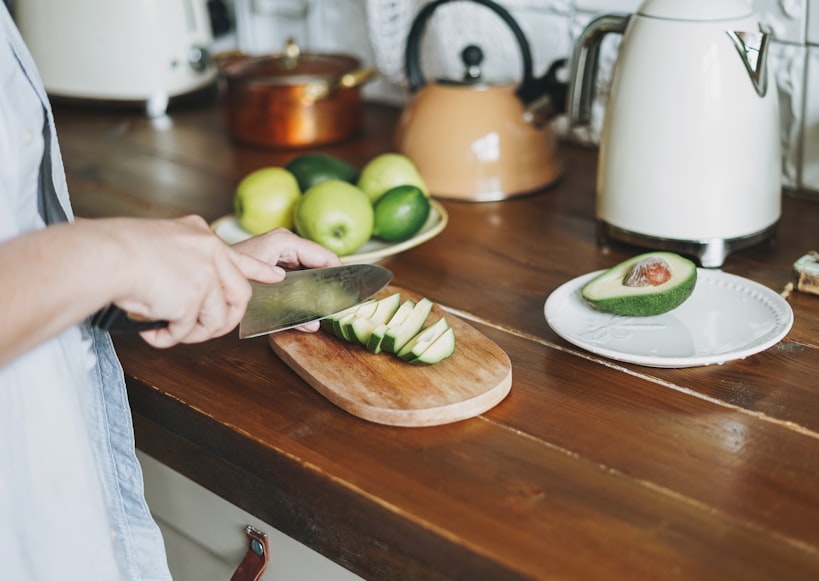
- Healthy fats: olive oil, nuts, and avocados.
- Complex carbs: brown rice, sweet potatoes, oats, and quinoa.
- Fiber-based foods: leafy greens, lentils, and berries.
These foods maintain blood sugar levels, suppress cravings, and make you feel fuller.
2. Prioritize Protein at Every Meal
Protein also repairs tissues, creates lean muscle, and keeps you satiated. It also keeps your muscles on the same time you shed off the fat. Target 20-30 grams of protein per meal.
The readily available sources of protein among busy mothers:
- Hard‑boiled eggs
- Greek yogurt with chia seeds
- Tuna sandwich with whole-grain crackers.
- Rotisserie chicken
- Nut butter smoothie with protein
- Chocolate banana smoothie with nut butter.
3. Don’t Avoid Carbs – Just Eat the Right Ones
Carbs are your energy source, particularly when you are breastfeeding or getting up every night. But not all carbs are equal.
Eat carbs that digest slowly, such as
- Oats
- Brown rice
- Sweet potatoes
- Whole‑grain bread
- Lentils
Stay away from ultra-processed carbs, i.e., white bread, pastries, and sugary cereals. They spike the blood sugar, bring about crashes, and raise the cravings.
How to Structure a Day on the Diet Plan for Postpartum Weight Loss
Breakfast
Begin your day with a protein-based breakfast to establish a tone on the amount of hunger and energy.
Try:
• Spinach and whole-grain toast with scrambled eggs.
• Greek yogurt, berries, and flaxseeds.
• Almond butter, chia seeds, and oatmeal
• Oatmeal with almond butter and chia seeds.
Mid‑Morning Snack
Maintain energy by taking a snack containing protein and fiber.
Try:
• Apple slices with peanut butter.
• A boiled egg and some almonds.
• A fruit protein shake with frozen fruit
• A small protein smoothie with frozen fruit
Lunch
Pay attention to lean protein, healthy fats, and slow carbs.
Try:
• Chicken salad with olive oil dressing and grilled avocado.
• Turkey wrap in whole-grain tortilla in hummus.
• Quinoa bowl with black beans, roasted vegetables, and feta.
Afternoon Snack
This will ensure that one does not snack or overeat in the evening.
Try:
• Carrots and hummus
• Cottage cheese along with pineapple.
• Tuna and whole-grain crackers.
Dinner
Dinner must be good, though not very substantial. Think balance.
Try:
• Green beans and roasted sweet potatoes with salmon.
• Stir-fried tofu over brown rice and broccoli.
• Chili made of ground turkey, beans, and veggies.
Optional Evening Snack (if breastfeeding or hungry)
And in case you are still hungry (particularly when breastfeeding), no problem. Select a light yet nutritious snack.
Try:
• A banana with almond butter
• A boiled egg and some whole-grain crackers.
• A hot cinnamon-flavored milkshake.
Key Nutrients to Support Postpartum Recovery and Fat Loss
A proper postpartum weight loss diet does not only assist in weight loss. It helps your body heal.
1. Iron
Blood loss in delivery will cause you to be iron deficient, resulting in tiredness and lack of concentration.
Foods containing iron: red meat, spinach, lentils, and fortified cereals.
2. Calcium
When you are breastfeeding, your body takes calcium out of the bones. Keep your bones strong.
Foods with high levels of calcium: dairy foods, tofu, nuts, and waterleaf.
3. Omega‑3 Fatty Acids
These are beneficial to the health of the brain, help decrease inflammation, and can also be used to improve mood.
Sources: salmon, flaxseeds, walnuts, and omega-3 eggs.
4. Vitamin D
Deficiency of vitamin D is also associated with postpartum depression and fatigue.
Where can you get them?
You can get them from sunlight, fortified foods, or discuss supplements with your physician.
Common Mistakes in Postpartum Weight Loss Diets
Despite the good intentions, most new moms end up in pitfalls that make progress slow. Avoid these:
1. Cutting Calories Too Soon
Your body needs time to heal. Concentrate on nutrition, then weight loss. The majority of women are in a safe position to commence with a mild calorie deficit 6-8 weeks after childbirth, particularly non-breastfeeding women.
2. Skipping Meals
This backfires. You will lack energy, will increase your cravings, and will overeat in the future. A regular schedule of eating is ideal.
3. Overdoing “Healthy Snacks”
Trail mix, nut butter, and smoothies are healthy but have a high amount of calories. The size of portions is still important even with healthy foods.
4. Ignoring Sleep and Stress
Sleep deprivation and stress levels can trigger excess production of cortisol and reduce the process of weight loss. Your diet routine must not stretch you further but rather help you to get rest.
How Breastfeeding Affects Your Diet Plan for Postpartum Weight Loss
Breastfeeding uses approximately 500 calories per day, though this does not necessarily mean that you will be losing weight.
Things to know:
• Breastfeeding actually requires more calories and not less.
• Radical dieting may decrease your milk level.
• Pay attention to nutrient-rich meals, rather than low-calorie meals.
• The weight loss can be gradual, and that is alright.
Most women lose their weight during breastfeeding, and some do not lose it until they wean. Both are normal.
Meal Prep Tips for New Moms
The postpartum weight loss diet plan can only be effective when it is feasible. No mother can afford to spend hours cooking.
1. Batch Cook Proteins
Prepare chicken, turkey, or tofu in large quantities. Eat through the week in various meals.
2. Chop Veggies Ahead
Carrots, peppers, or cucumbers can be readily sliced into convenient snacks or stir-fry.
3. Freeze Healthy Meals
Prepare 2 batches of soups, stews, or casseroles and freeze in portions.
4. Keep Healthy Shortcuts on Hand
Stock up on:
- Prewashed greens
- Rotisserie chicken
- Instant brown rice
- Frozen veggies
- Low‑sugar protein bars
Frequently Asked Questions
1. Can Intermittent fasting help me lose weight?
Intermittent fasting is not advisable early after childbirth, particularly when one is breastfeeding. It has the ability to reduce energy and decrease the milk supply.
2. How often should I drink water in my postpartum stage?
You should try and consume about 9 cups of water every day after giving birth. When you’re always hydrated, you can easily produce milk.
3. It it advisable to take coffee in order to lose postpartum weight?
Sure, although only in in moderate amounts. Just make sure they are not very sugary. You should consume just a few cups in a week.
4. Should I also take supplements along with a diet plan for postpartum weight loss?
You might. Prenatal vitamins are considered helpful by many moms, and sometimes it is possible to add vitamin D or iron. Check with your doctor.
5. At what point should I book an appointment with a professional?
You should probably go and see a physician if you are experiencing some thyroid problems.
6. Can I drink protein shakes?
Yes, provided they are low in sugar and they are not used as substitutes for full meals too frequently. Pick shakes with clean ingredients.
7. Should I count calories?
No, at the start. Focus on balanced meals. In case of stagnation in progress, it is worth keeping a record of calories over a short time and checking what is going on.
Conclusion
Giving birth to a child can completely change everything about your body. However, the best and most effective diet plan for postpartum weight loss will work with these changes and give you the best version of your self.
A good diet plan will increase your energy levels and see you in perfect shape.
Get yourself permission to move at a slow pace. Eat real food. Sleep. Become your best self physically.
And the best thing, understand, is that you are not doing as badly as you imagine.