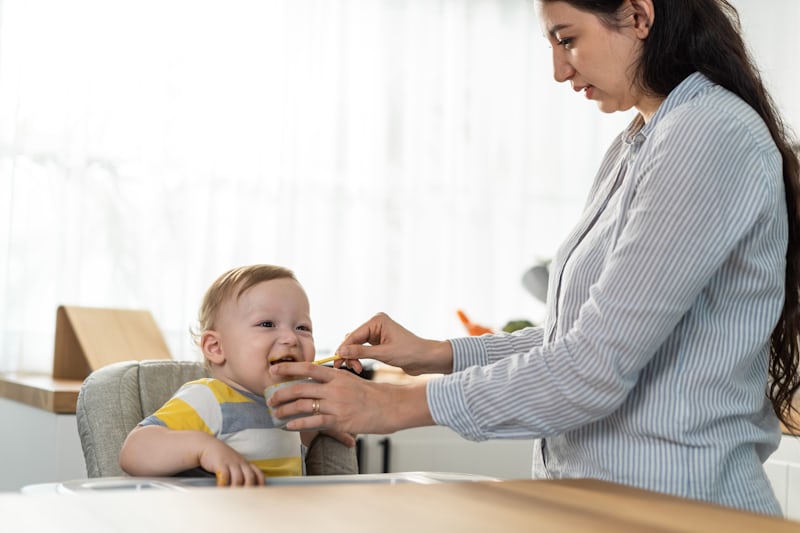
Are you a mom who wishes to feed her child with nutritious homemade recipes without breaking the bank? Then this article was made just for you. By the end of this article, you will learn a vast variety of homemade baby food recipes that are not only nutritional, but safe for your child.
The very peculiar reason most mothers go for homemade recipes is because unlike other canned baby foods, you know for sure what you are using to prepare it. They are easy to prepare and budget friendly too.
Safety First: How to Prepare Homemade Baby Food the Right Way
Before we begin with the recipes, we need to quickly explore how you can basically make these recipes safe for consumption.
- Wash everything. Wash your hands, equipment, and food.
- Use fresh ingredients. Avoid canned food that has salt or sugar.
- Steam instead of boil. When you’re steaming, you retain more nutrients.
- Cool before serving. Always test the temperature.
- When storing, ensure you keep it in a dry and cool place. Make sure there are openings which insects can crawl in.
You should try to budget money for freezer safe containers. It will be most helpful to you
Stage 1 (6 Months): First Foods and Simple Homemade Baby Food Recipes
This is the age where your baby will begin to show interest in eating solid food. You should begin with the single-ingredient smooth purees. The following are some of the easy recipes:
1. Simple Sweet Potato Purée
Ingredients: 1 medium sweet potato.
Instructions:
Step 1. Peel the sweet potato and dice it.
Step 2. Boil until tender (approximately 15 minutes).
Step 3. Whisk together with a little water or breast milk.
The reason why it is great is because sweet potatoes are sources of vitamin A and fiber.
2. Banana Mash
Ingredients: 1 ripe banana
Instructions:
Step 1. Mash and peel with a fork till smooth.
Step 2. Add breast milk or formula in order to thin.
This is so much of a great choice because bananas are easy on the stomach and are rich in potassium.
3. Steamed Carrot Purée
Ingredients: 2 medium carrots
Instructions:
Step 1. Peel and slice the carrots.
Step 2. Steam until soft.
Step 3. At the same time, mix it with water or breast milk.
Carrots are very beneficial to your baby’s health because they are rich in beta-carotene. And they are also digested easily.
Stage 2 (7–8 Months): Combo Homemade Baby Food Recipes
Only after your baby has tried eating single recipes, should you try to combine them. The recipes below are some of the most compatible and health friendly for your baby.
4. Apple and Zucchini Blend
Ingredients: 1 apple, peeled and diced; 1 small zucchini, diced.
Instructions:
Step 1. Steam both until soft.
Step 2. Blend until smooth.
5. Avocado and Banana Mash
Ingredients: 1/2 ripe avocado; 1/2 ripe banana.
Instructions:
Step 1. Mash together until smooth.
This is a great choice because avocados have healthy fats that are helpful in the development of the brain.
6. Pear and Oat Purée
Ingredients: 1 ripe pear that has been peeled and cut in pieces; 2 Tbsp oats.
Instructions:
Step 1. Cook oats in water until it becomes soft.
Step 2. Steam the pear until it becomes tender.
Step 3. Blend both together.
When you blend together, you introduce these items in a healthy manner.
Stage 3 (9–12 Months): Textures and Finger Foods
This is the age where babies can now deal with heavier foods. Try serving foods that have thicker texture.
7. Lentil and Carrot Mash
Ingredients: ¼ cup red lentils; 1 carrot, peeled and chopped.
Instructions:
Step 1. Soak and simmer lentils and carrots in water for 20 min.
Step 2. Mash either with a fork or mix until coarse.
Lentils are a great choice because they provide iron and protein.
8. Chicken and Sweet Pea Purée
Ingredients: 1 small chicken breast; 1/2 cup of green peas.
Instructions:
Step 1. Cook chicken until it is properly done.
Step 2. Steam peas until they become soft.
3. Combine with either water or broth.
9. Spinach and Chickpeas Mashed.
Ingredients: 1/2 cup of canned or cooked chickpeas (no salt); 1/2 cup spinach.
Instructions:
Step 1. Steam spinach.
Step 2. Mixed with chickpeas and some water.
Chickpeas are known for their excellent protein.
Read also | How to Lose Baby Weight Naturally in 6 Easy Steps
Budget Tips for Making Homemade Baby Food Recipes
Feeding your baby well does not require a lot of money. Here’s how to save:
- Buy seasonal produce. It’s cheaper and fresher.
- Use family meals. Prepare simple portions and put them aside before seasoning.
- Freeze in batches. Doing this is more time-saving and food waste are minimized.
- Skip fancy gear. It only takes a steamer basket and a blender.
How to Store and Reheat Homemade Baby Food Recipes Safely
- Freeze using ice cube trays.
- Put store cubes in labeled freezer bags.
- Leave to thaw in the fridge overnight or rewarm in a bowl of warm water.
- Never refreeze thawed food.
Advanced Homemade Baby Food Recipes (12+ Months)
You should introduce your baby to a richer variety of recipes by the time they reach toddlerhood.
10. Mini Veggie Patties
Ingredients: 1 small zucchini, grated; 1 carrot, grated; 1 egg; 2 Tbsp oat flour.
Instructions:
Step 1. Mix all ingredients.
Step 2. Form into small patties.
Step 3. Cook in a non-stick pan until golden.
This is a healthy medium of which you can add some finger foods and texture.
11. Quinoa and Pumpkin Mash
Ingredients: ¼ cup of cooked quinoa; ½ cup of steamed pumpkin.
Instructions:
Step 1. Mash together. Add breast milk if needed.
Nutrition bonus Quinoa is a complete-protein, complete-fiber food.
12. Baked Apple and Cinnamon
Ingredients: 1 apple, peeled and cut into slices; a dash of cinnamon.
Instructions:
Step 1. Bake at 350°F (175°C) for 15 minutes.
Step 2. Mash or serve soft slices.
The good thing about cinnamon is that it provides flavor without the need of you adding sugar.
Frequently Asked Questions
1. Is it safe to add spices to my homemade baby food recipes?
Yes it is safe. By the 8th month, you can add spices like basil or turmeric. But make sure you avoid adding salt or sugar to the recipe
2. By what time is it totally safe to test food allergies for my baby
You should bring in new foods only after every 35 days. When you bring in new foods, strictly observe any signs of rash or vomiting.
3. Is it safe to feed my baby with frozen vegetables and fruits?
Absolutely. But make sure you let them consume frozen veggies only when they are at their freshest.
4. How much is safe for my baby to eat?
There is no specific amount of quantity. But it is good you start feeding them with smaller portions. Then you can increase the portions according to their level of hunger. Allow your infant to determine the quantity.
5. Is it safe for my baby to consume refrigerated food?
Yes. Always warm it and stir it gently. Also check for the temperature before you serve.
6. Can I add my breast milk to my homemade baby food recipes
Yes. When you do this, you further strengthen the nutrients in the recipes.
7. When can I start adding eggs, dairy, and nuts in my homemade baby food recipes?
It is medically recommended you start doing this only when the baby is about 7 months old. You must never forget to consult your pediatrician.
See more | First Month Of Pregnancy Symptoms: What’s Normal and What’s Not
Conclusion
Homemade baby food recipes will not only save money but also provide your baby with a healthy kick start with real food. You need not be a cook, and you need not have expensive appliances in order to do so; you simply need basic ingredients and time and the ability to be sure you know what is in it.
Preparing your own meal not only feeds your child but also instills in them a lifelong passion towards food, something which cannot be supplied in the store-bought jars.