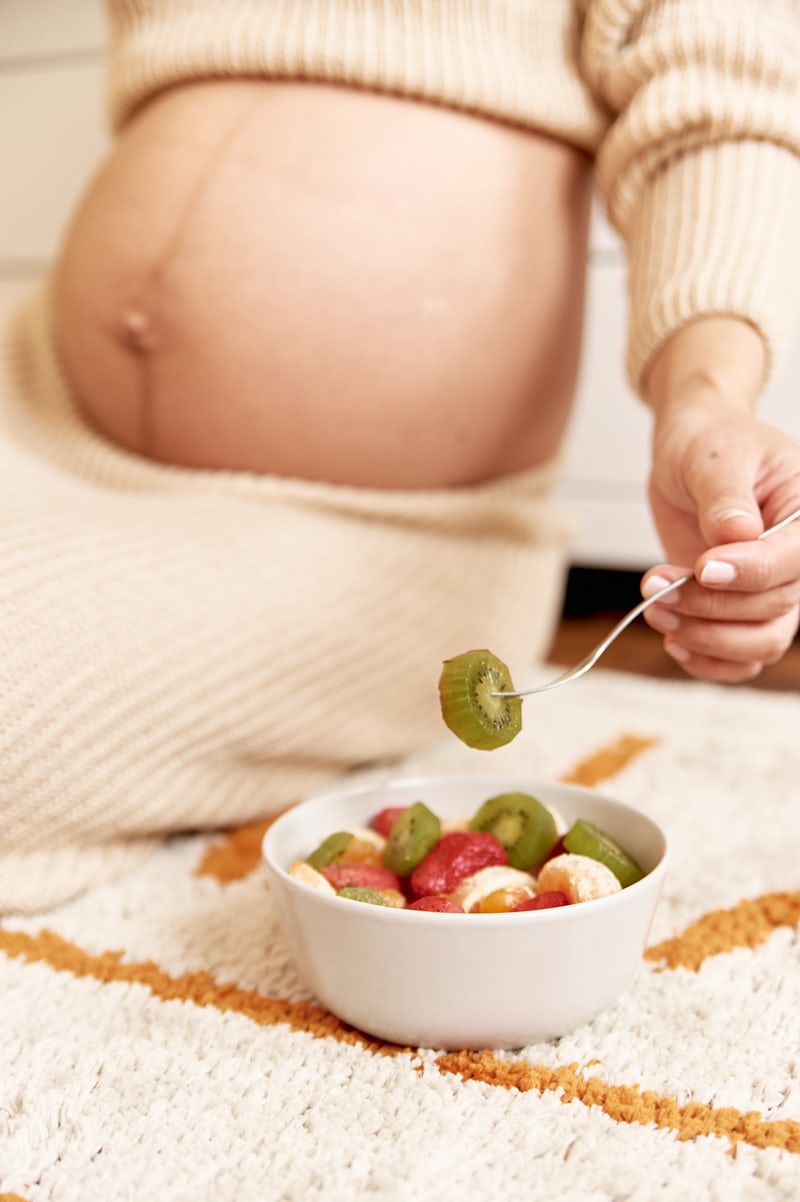
What should pregnant women not eat is a frequent question most expecting mothers ask.
So much is available out there (some of it is useful, some of it is not); there is always a challenge in determining what is safe and what is not. Be rest assured that this article will put you through the foods you’re to avoid as a pregnant woman. This will keep you informed and make better decisions for your baby.
You will get to know which foods are dangerous, the dangers involved, and how to remain safe without feeling confined. You may still be in your first trimester or may be days from delivery, but knowing what pregnant women are not supposed to eat will put you into the position of being more in control and better prepared.
Why Knowing What Pregnant Women Should Not Eat Matters
You provide your infant with all that it requires which includes nourishment, oxygen, and security. When you are pregnant, your immune system becomes a little weaker, making you susceptible to foodborne diseases. There are some bacteria and toxins that are not likely to bother you but will hurt your baby. This is why learning what pregnant women are advised to avoid is so much more than a diet matter. It’s all about safety.
What Pregnant Women Should Not Eat: High-Risk Foods to Avoid
1. Raw or Undercooked Meat
Raw or undercooked meat has the potential to have dangerous bacteria such as E. coli, Listeria, or Salmonella. These bacteria may leave you seriously unwell and enter the placenta of your child.
Avoid foods like steak tartare, rare burgers, undercooked poultry, raw sausages
Safe substitute: Cook all the meats to an internal temperature of 160 degrees Fahrenheit (71 degrees Celsius) or above.
2. Deli Meats and Cold Cuts
This is usually women’s favorite but it contains Listeria. This bacteria is dangerous to the health of your baby because it can pass through the placenta. When it does, it can lead to a miscarriage.
3. Raw Eggs and Foods Containing Them
Salmonella might be present on uncooked eggs. Most of these homemade products are made without raw eggs, which you are unaware of.
Avoid foods like raw cookie dough, hollandaise sauce, uncooked cake or brownie batter
Safe substitute: Eat pasteurized eggs or egg substitutes.
4. Certain Fish High in Mercury
Fish is good; however, certain types are rich in mercury, which may have a harmful impact on the brains and nervous system of your baby.
Steer clear from swordfish, king mackerel, tilefish
Safe alternatives include; salmon, cod, tilapia, sardines (rich in omega-3s)
Limit the consumption amount to 2-3 of low-mercury fish per week.
5. Raw Shellfish
Raw oysters and clams can be contaminated with the Vibrio bacteria that are fatal to pregnant women.
Avoid: sushi with raw shellfish, raw oysters, uncooked mussels
Safe substitute: Bake shellfish until the shells break open.
6. Unpasteurized Dairy Products
Listeria can be transmitted by unpasteurized milk into milk and cheese. Bacterial diseases may be harmless in adults but have destructive consequences on the unborn child.
Avoid: soft cheeses such as Brie, Camembert, Roquefort, and Feta (unless marked pasteurized)
Unpasteurized milk or cream
Safe substitute: Look on the label; exit by seeing the word pasteurized.
7. Unwashed Fruits and Vegetables
The dangerous part of dirty fruits is the parasites like Toxoplasma they usually contain.
As a pregnant woman, endeavor to always wash your vegetables before consuming. Rinse them under running water. Cook the vegetables that can be cooked before eating.
Safe alternative: Rinse under running water, take off peels where necessary, and cook greens when uncertain.
8. Caffeine in Excess
Caffeine posses the ability to penetrate the placenta. When it does, it can increase or decrease the blood pressure of the baby. This can lead to loss or weight and miscarriage.
Do not take more than 200 mg per day
Also regulate your tea, soda, chocolate and energy drinks
9. Alcohol
The safe amount of alcohol during pregnancy has not been known. It has the potential to induce fetal alcohol syndrome and development issues.
Avoid completely. Even minor sums may be dangerous.
10. Artificial Sweeteners (Some Types)
There are such sweeteners as saccharin that can pass the placenta. There are those that are safe in moderation.
Avoid: saccharin (Sweet’N Low)
11. Prepackaged Salads and Deli-Style Prepared Foods
When you always consume too many prepackaged foods, you expose your baby to bacterias. Avoid these type of foods especially when they are stored in unhealthy temperatures
12. Liver and Vitamin A-Rich Foods
When you excessively consume vitamin A, you risk having an unhealthy baby. For the time being, do not consume Vitamin A supplements that exceed 10,000 IU.
What Should Pregnant Women Not Eat When Dining Out?
The restaurants where you eat can not always be as clean as yours.
Always ask if the cheese has been pasteurized. Also avoid buffet-style foods. Make sure their beef is very well cooked.
What Should Pregnant Women Not Eat During the First Trimester?
You need to understand that the essential organs of a baby start to develop during the first 3 months. This makes the first 3 months very important when it comes to nutrition.
This is the best time to steer clear of foods that have strong aromas because they cause nausea. Also moderate your ginger intake to like 1000 mg/day.
What Should Pregnant Women Not Eat If They Have Gestational Diabetes?
Do not take any type of surgery drink or any item that has high amounts of glucose or ethanol.
Instead, prioritize consuming whole grains. Also take lean proteins and vegetables without excess starch.
Frequently Asked Questions
1. Is sushi prepared with cooked fish good for pregnant women?
Yes it is okay to be taken by pregnant women. It should be completely cooked such as the likes of tempura shrimp rolls. It is very important you do everything in your power to avoid the uncooked ones.
2. Can a pregnant woman eat peanut butter?
Yes a pregnant woman can. But make sure you are not allergic to peanuts. If you are not allergic, taking peanuts will not be harmful to your baby
3. Is it medically recommended for pregnant women to take pickles
As a pregnant woman, you can take pickles but it should be in moderation. Make sure you do not consume it too much.
4. Are herbal teas biologically good for expecting mothers?
Herbal teas that contain ginger and peppermint are medically good for women that are expecting. But not all are recommended. Especially the ones that contain unfamiliar ingredients.
5. Can pregnant women take spicy foods?
Unless they make you comfortable, you can take them. Spicy foods are not bad for babies. But in some cases, they may make you experience heartburn.
6. Is it medically advisable for expecting mothers to consume canned tuna?
Yes it should be in moderation. Let’s say like 2 times a week. This is because of the mercury in it
7. Am I free to consume juice bar smoothies as a pregnant woman?
You can consume it if only they are washed thoroughly. Doctors will always recommend you blend your juice yourself.
Conclusion
It is not about a perfect pregnancy. It’s about being informed. If you’ve been asking what pregnant women should not eat, hopefully this article has been able to educate you. Especially on the most dangerous foods you’re not supposed to take. When you follow this guide to the letter, you are securing a very safe and perfect baby with good health.
You need to be cautious about the things you consume when you’re pregnant. This guide is meant to raise awareness so all pregnant women can safely deliver babies with good health. You only need to know the things you are to steer clear off and go for healthy foods and healthy habits.